Why Table Tennis Beats the Gym for Longevity
The Copenhagen study found gym workouts add only 1.5 years of life expectancy compared to racket sports' 9.7 years. The gap comes down to three factors that solitary exercise cannot replicate.
Why Table Tennis Beats the Gym for Longevity
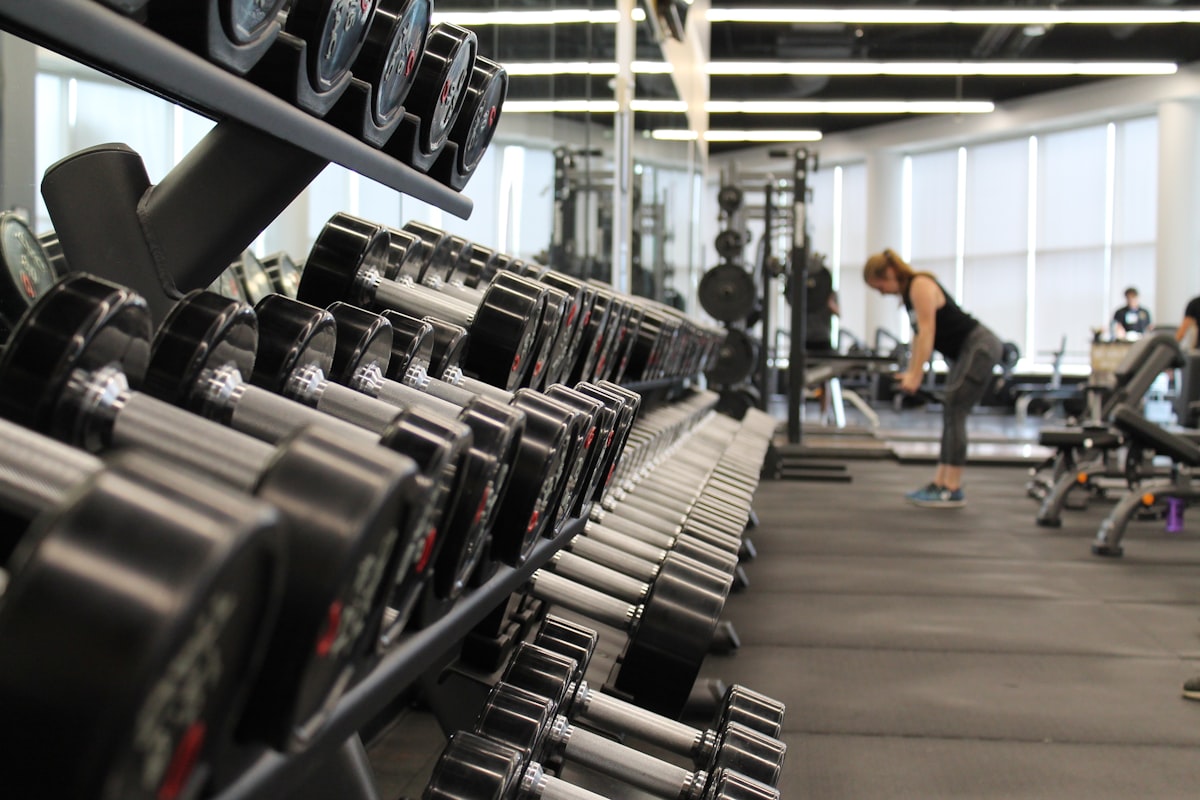
The Copenhagen City Heart Study delivered an uncomfortable finding for anyone who thought their gym membership was the key to a long life: gym workouts added just 1.5 years of life expectancy. Tennis added 9.7 years. The gap is not marginal. It is an order of magnitude.
This is not about burning calories. A vigorous gym session burns more than a table tennis match. The longevity advantage comes from something deeper.
Factor 1: Social Infrastructure
Loneliness kills. A meta-analysis published in Perspectives on Psychological Science found that social isolation increases mortality risk by 26% — comparable to smoking 15 cigarettes per day.
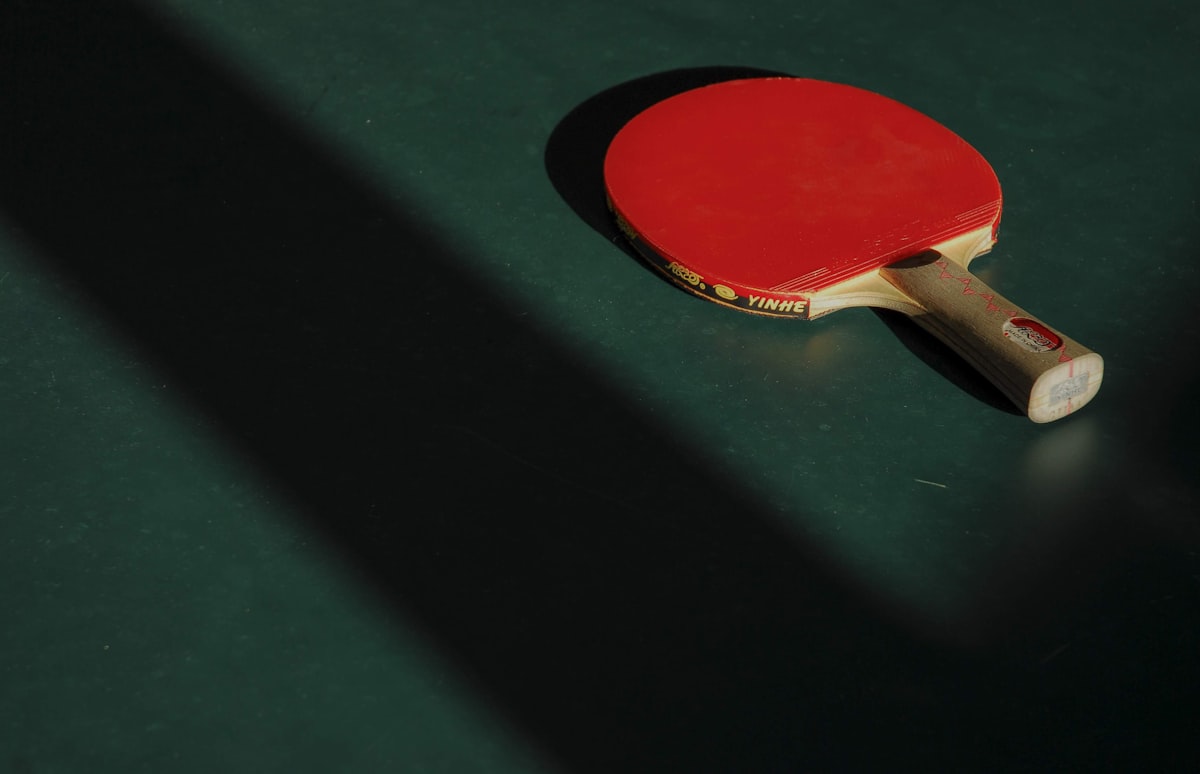
Table tennis requires a partner. That simple constraint creates:
- Accountability — someone is waiting for you
- Routine — weekly sessions become non-negotiable
- Conversation — before, during, and after games
- Community — regular players form lasting friendships
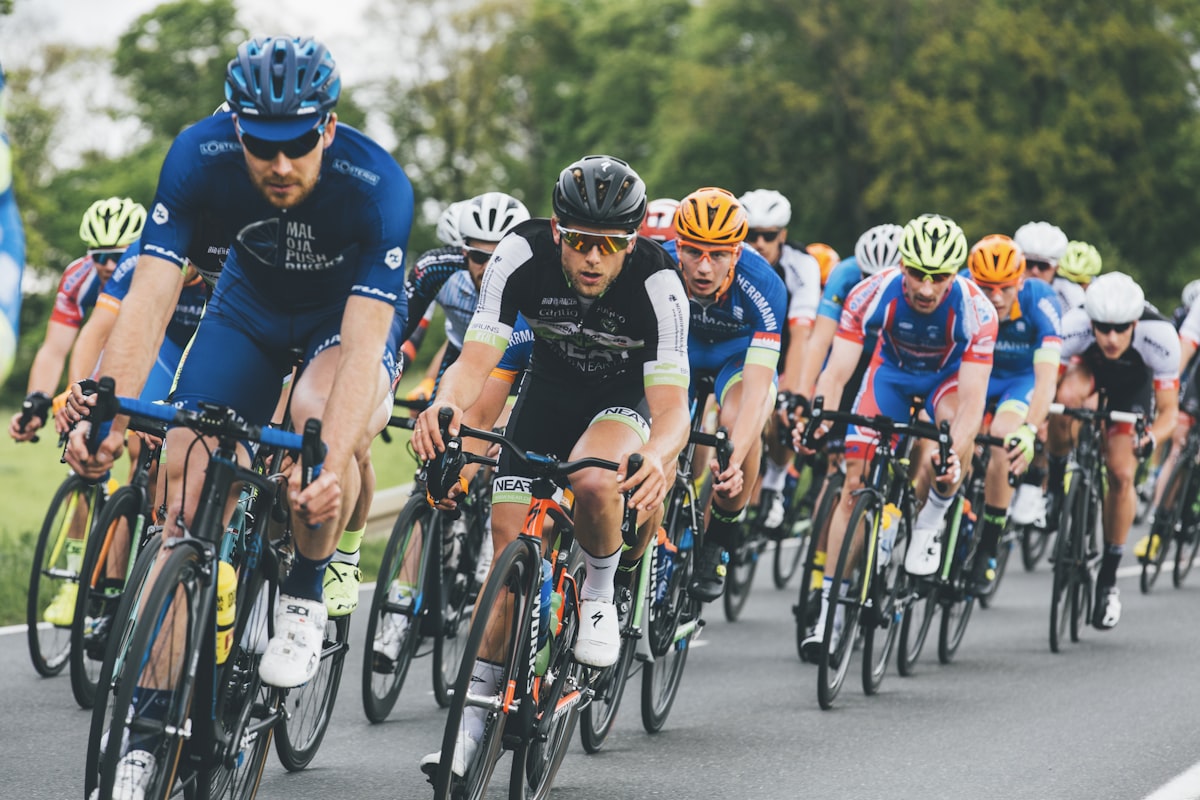
The Copenhagen study’s authors specifically highlighted the social component as a likely driver of the longevity difference. Jogging, cycling, and gym workouts are solitary by default.
Factor 2: Cognitive Engagement
Running on a treadmill is physically demanding but cognitively passive. Your brain goes on autopilot. Table tennis demands:
- Tracking a ball moving at 50-70 mph
- Reading opponent body language
- Selecting shot type and placement
- Adjusting for spin, speed, and bounce
- All within 200-300 milliseconds per shot
This cognitive load triggers BDNF release at levels that closed-skill exercises cannot match. The Birinci (2024) study directly demonstrated this: table tennis produced significantly greater BDNF increases than long-distance running in veteran athletes.
Factor 3: Long-Term Adherence
The dirty secret of exercise science is that most people quit. Gym attendance drops by 50% within six months. Jogging programs have similar dropout rates.
Table tennis has natural retention built in:
- The skill ceiling is infinite — there is always something to improve
- The social obligation keeps you showing up
- The game is inherently playful — it does not feel like exercise
- You can play at any age, any fitness level, in any weather
The Oja (2017) study of 80,306 British adults found racket sport players had significantly higher long-term participation rates than any other exercise category.
The Quality of Life Bonus
A 2025 randomized controlled trial published in F1000Research compared competitive table tennis training against casual play and control groups in adults aged 40-70. After 30 days:
- Overall quality of life: Cohen’s d = 1.69 (very large)
- Physical health: d = 1.89 (very large)
- Social relationships: d = 3.04 (extremely large)
- The percentage of participants reporting “Good” quality of life rose from 37.5% to 68.75%
The control group stayed flat at 6.67%.
The Honest Comparison
| Factor | Gym | Jogging | Table Tennis |
|---|---|---|---|
| Life expectancy gain | +1.5 years | +3.2 years | Comparable to +9.7 years |
| Cognitive stimulation | Low | Low | Very high |
| Social engagement | Low | Low | High |
| Long-term adherence | Low | Low | High |
| Injury risk | Moderate | High (running) | Low |
| Year-round access | Yes | Weather dependent | Yes (indoor) |
| Cost | Membership fees | Shoes only | Table + paddles |
| Skill ceiling | Moderate | Low | Infinite |
The Takeaway
If you enjoy the gym, keep going. But if your goal is maximizing your healthy years, the science is unambiguous: combine physical exertion with cognitive challenge and social connection. Table tennis delivers all three in a single activity.
You do not have to choose between exercise and social life. Table tennis is both.
Sources:
- Schnohr P, et al. “Various Leisure-Time Physical Activities Associated With Widely Divergent Life Expectancies.” Mayo Clinic Proceedings. 2018;93(12):1775-1785.
- Oja P, et al. “Associations of specific types of sports and exercise with all-cause and cardiovascular-disease mortality.” British Journal of Sports Medicine. 2017;51(10):812-817.
- To-aj O, et al. “Comparing Competitive and Recreational Table Tennis Training.” F1000Research. 2025;14:89.