95,000 Athletes, 44 Sports, One Winner: Racquet Sports Add 5.7 Years to Life
The largest study ever conducted on sport type and lifespan analyzed 95,210 athletes across 44 sports from 183 countries. Racquet sports -- tennis and badminton -- were the only category to show consistent lifespan extension in both men and women, adding up to 5.7 years in males and 2.8 years in females.
95,000 Athletes, 44 Sports, One Winner: Racquet Sports Add 5.7 Years to Life
In August 2024, researchers from the European Research Institute for the Biology of Ageing at the University of Groningen published the largest observational study ever conducted on the relationship between sport type and lifespan. The results were published in GeroScience in April 2025. They analyzed 95,210 athletes across 44 sports disciplines from 183 countries. The dataset spanned athletes born between 1862 and 2002.
The study asked a simple question that had never been answered at this scale: which sports add the most years to your life?
The Methodology
Researchers collected data from public sources — primarily Wikidata and Wikipedia — and applied rigorous filtering. They excluded athletes with documented doping use, Paralympians, participants in non-demanding sports like billiards and bowling, deaths from accidents or unnatural causes, and entries with missing demographic data.
They calculated a metric called “Age Delta” — the difference between how long an athlete actually lived versus the expected lifespan of the general population in their country, adjusted for sex and year of death. A positive Age Delta means the athlete outlived expectations. Negative means they died younger than expected.
The statistical model used robust linear regression to account for outliers, a more conservative approach than standard regression.
The Racquet Sports Finding
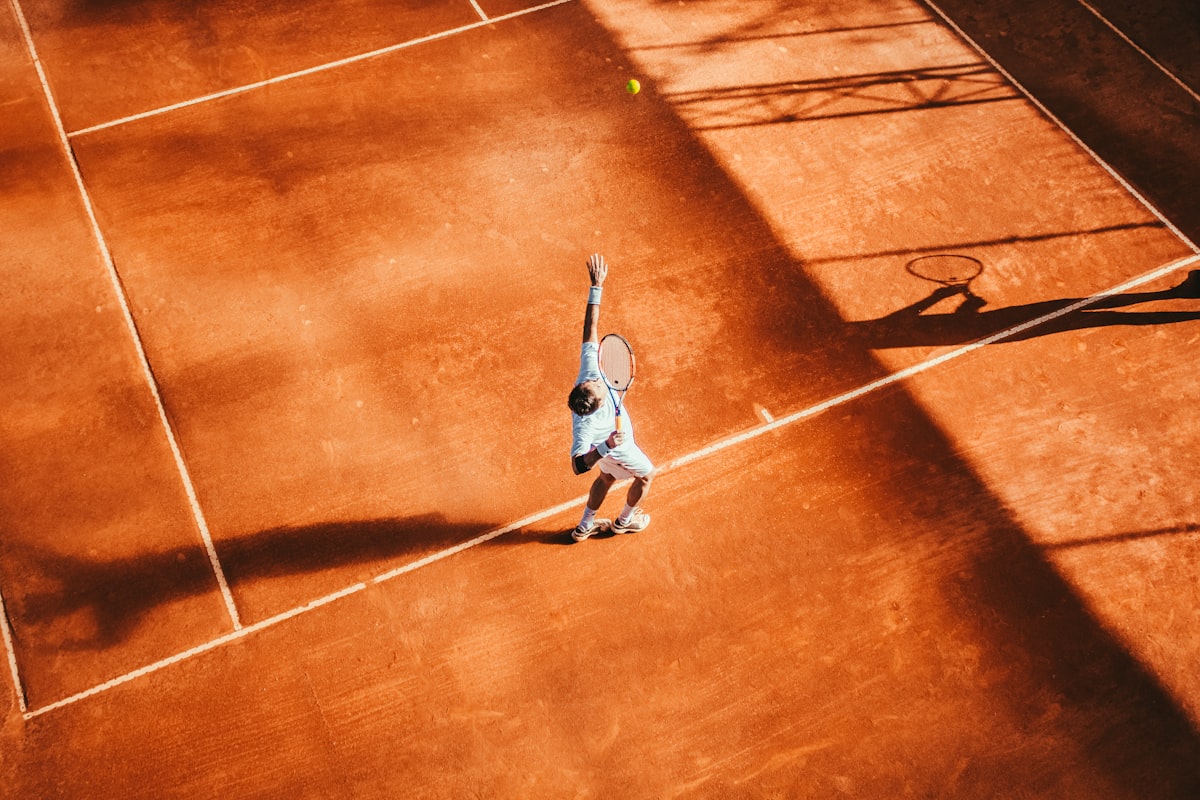
Among all 44 sports analyzed, racquet sports — tennis and badminton — stood out for a specific reason: they were the only sport category showing consistent lifespan extension in both men and women.
- Male racquet sport athletes: +5.7 years (95% CI [5.0, 6.5])
- Female racquet sport athletes: +2.8 years (95% CI [1.8, 3.9])
No other sport category achieved statistical significance in both sexes. Pole vaulting (+8.4 years) and gymnastics (+8.2 years) showed larger gains in men, but had insufficient female data for reliable estimates. Most sports showed positive associations for men but negative or null associations for women.
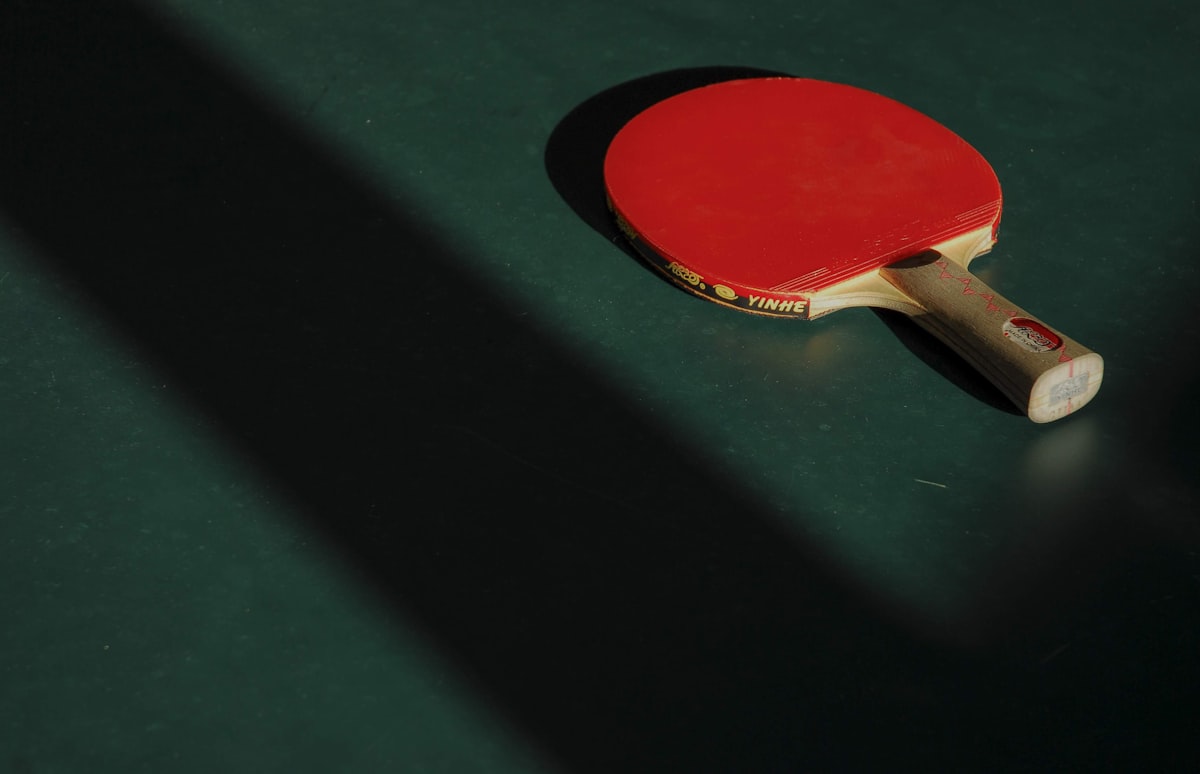
Table tennis was listed separately in the dataset and showed a neutral-to-positive association in men. However, the sample size for table tennis alone was small. The racquet sports grouping — tennis and badminton — had the statistical power to produce confident estimates.
The Top Performers (Male Athletes)
| Sport | Lifespan Extension | 95% CI |
|---|---|---|
| Pole vaulting | +8.4 years | [6.8, 9.9] |
| Gymnastics | +8.2 years | [7.4, 9.0] |
| Fencing / targeting | +6 years | — |
| Racquet sports (tennis, badminton) | +5.7 years | [5.0, 6.5] |
| Track and field (running) | +4-5 years | — |
| Rowing | +4 years | — |
The Bottom Performers
Not all sports extended life. Several showed negative associations:
| Sport | Lifespan Change | 95% CI |
|---|---|---|
| Sumo wrestling | -9.8 years | [-11.0, -8.6] |
| Volleyball | -5.4 years | [-7.0, -3.8] |
| Handball | -2 years | — |
| Boxing | negative | — |
The researchers hypothesized that sports combining aerobic and anaerobic exertion — what they called “mixed sports” — produce the greatest longevity benefit. Racquet sports fit this category perfectly: short explosive bursts of movement (anaerobic) interspersed with brief recovery periods, sustained over extended match durations (aerobic).
Why Table Tennis Shares This Advantage
Table tennis belongs to the same movement category as tennis and badminton. It shares the defining characteristics of a “mixed” sport:
- Intermittent high-intensity bursts — rapid footwork, lunges, and explosive arm movements between brief rest periods
- Heavy cognitive load — tracking spin, speed, and placement of a ball traveling at 50-70 mph across a nine-foot table
- Social interaction — inherently a two-person (or four-person) activity requiring a partner
The cognitive and social components may explain why racquet sports outperform pure endurance sports like long-distance running. The GeroScience study authors specifically noted that the combination of aerobic and anaerobic demands, rather than either alone, appears to drive the longevity benefit.
Corroborating Evidence: The Tennis-Mortality Study
A separate 2025 study by Ko and colleagues, published in Preventive Medicine, followed 10,218 men aged 65-102 from the Health Professionals Follow-up Study over 89,168 person-years. The researchers examined how both intensity and volume of individual activities related to mortality risk.
The standout finding: tennis played at low intensity but medium-to-high volume was associated with a 51% reduction in mortality risk (HR 0.49, 95% CI [0.23, 1.01]) compared to non-participants.
This is a striking number. It suggests you do not need to play tennis at a competitive intensity to reap longevity benefits. Simply playing regularly — even recreationally — is associated with a dramatic reduction in mortality risk.
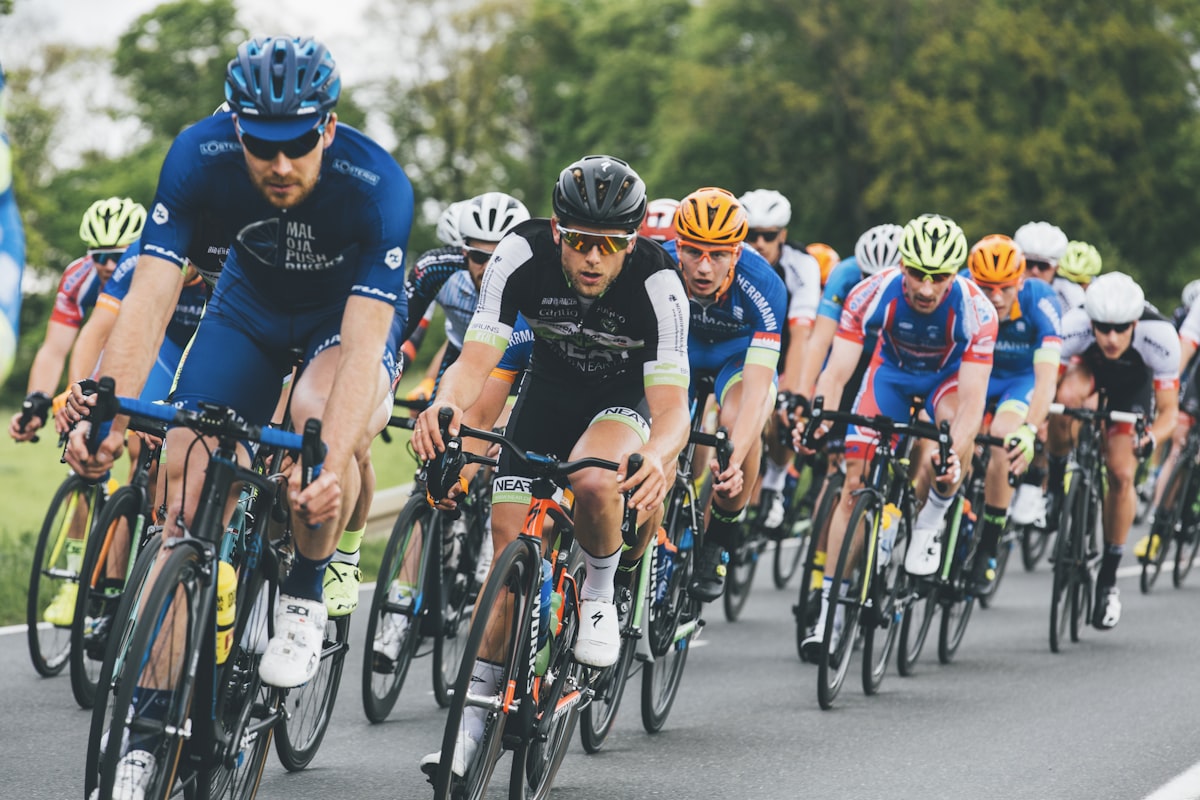
For context, the same study found that biking at medium/high intensity and medium/high volume reduced mortality by 17% (HR 0.83). Tennis at low intensity more than doubled that benefit.
The Gender Gap
One of the study’s most important findings was the stark gender difference. Male athletes showed positive lifespan extension across most sports. Female athletes showed limited benefits overall, with only golf and racquet sports reaching statistical significance.
The researchers proposed three explanations:
- Women may already be closer to their maximum attainable lifespan, so additional physical activity produces diminishing returns
- Women may benefit more from moderate activity than the strenuous training associated with elite athletics
- Male athletes may adopt healthier lifestyles (reduced smoking, alcohol) as a consequence of sport participation, while women in the general population already engage in fewer morbid behaviors
The racquet sports finding — significant in both sexes — suggests these sports may offer benefits that transcend the gender gap.
What This Means for Table Tennis Players
The GeroScience study did not analyze table tennis with sufficient sample size to produce standalone estimates. However, the anatomical, physiological, and cognitive demands of table tennis are a superset of what makes racquet sports beneficial:
- Faster reaction requirements than tennis (smaller playing area, faster ball relative to distance)
- Lower injury risk than tennis (no overhand serving stress, smaller court)
- Greater accessibility (can be played indoors year-round, at any age, in any weather)
- Lower cost barrier (a table, two paddles, and balls)
The Ko et al. finding that low-intensity, high-volume tennis produces the strongest mortality reduction is particularly relevant for recreational table tennis players. You do not need to be competitive. Regular play — three to four sessions per week — may be the optimal dose.
The Bottom Line
The largest sport-longevity study ever conducted found that racquet sports are the only activity category consistently associated with longer life in both men and women. A separate mortality study found that recreational tennis reduced death risk by up to 51% in older men.
Table tennis shares every key mechanism driving these results. The science says: pick up a paddle. Your cells are listening.
Sources:
- Altulea A, Rutten MGS, Verdijk LB, Demaria M. “Sport and longevity: an observational study of international athletes.” GeroScience. 2025;47(2):1397-1409.
- Ko A, Zhang Y, Giovannucci E. “Long-term intensity and volume of biking, swimming, and tennis: Associations with mortality risk in US older men.” Preventive Medicine. 2025;108350.
- Schnohr P, et al. “Various Leisure-Time Physical Activities Associated With Widely Divergent Life Expectancies.” Mayo Clinic Proceedings. 2018;93(12):1775-1785.
Peer-Reviewed Sources
- Altulea A, Rutten MGS, Verdijk LB, Demaria M. Sport and longevity: an observational study of international athletes. GeroScience. 2025;47(2):1397-1409. DOI: 10.1007/s11357-024-01307-9. ↗
- Ko A, Zhang Y, Giovannucci E. Long-term intensity and volume of biking, swimming, and tennis: Associations with mortality risk in US older men. Preventive Medicine. 2025;108350. DOI: 10.1016/j.ypmed.2025.108350. ↗
- Schnohr P, et al. Various Leisure-Time Physical Activities Associated With Widely Divergent Life Expectancies. Mayo Clinic Proceedings. 2018;93(12):1775-1785. ↗