Exercise Rewinds Your DNA Clock by 2 Years in 8 Weeks: Lancet's 145,000-Person Proof That Sport Slows Aging
A 2026 meta-analysis of 44 studies and 145,000 people in The Lancet Healthy Longevity confirms that physical activity slows aging at the DNA level. Epigenetic clocks — molecular timekeepers embedded in your genome — run slower in people who exercise. One trial found 8 weeks of training made sedentary adults' DNA look 2 years younger.
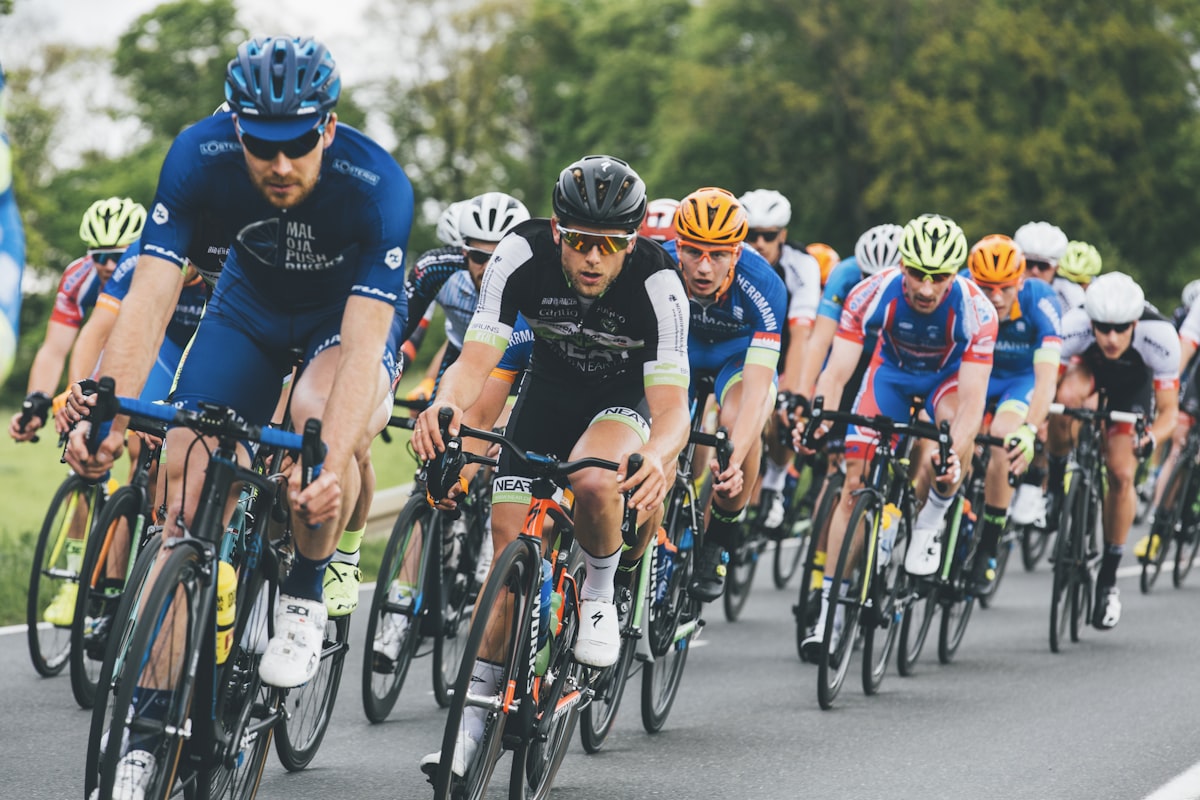
Exercise Rewinds Your DNA Clock by 2 Years in 8 Weeks: Lancet’s 145,000-Person Proof That Sport Slows Aging
Your chronological age is the number of candles on your birthday cake. Your biological age is something else entirely — a molecular readout of how quickly your cells are wearing down, measured by chemical tags on your DNA called methylation marks.
For the first time, a landmark meta-analysis published in The Lancet Healthy Longevity in April 2026 has pooled the global evidence on whether exercise actually changes that molecular readout. The answer, drawn from 44 studies and roughly 145,000 participants, is yes: people who exercise more have measurably younger DNA.
The 145,000-Person Verdict
Researchers led by Shan J from the University of Melbourne searched six major databases for every study that measured both physical activity levels and DNA methylation age in adults. They found 44 studies spanning over a decade of research and synthesized them into the largest meta-analysis of its kind.
The results were clear on two of the most trusted epigenetic clocks. Higher levels of physical activity were significantly associated with lower biological age on the GrimAge clock — a composite biomarker that predicts time-to-death, coronary heart disease, and cancer with striking accuracy (Cox regression P = 2.0 × 10⁻⁷⁵ in original validation data). The same pattern held for the Horvath clock, the original pan-tissue epigenetic age estimator.
Notably, the signal did not appear on every clock. The Hannum and PhenoAge clocks showed no significant pooled association. This is not a contradiction — different clocks measure different biological processes. GrimAge, which incorporates surrogate markers for smoking pack-years and plasma protein levels, captures the damage pathways most directly modifiable by exercise. The fact that GrimAge responded while others did not tells us exercise is doing something specific at the molecular level, not just producing a vague “healthier” signal.
What Are Epigenetic Clocks?
Think of DNA methylation as a volume dial on your genes. Methyl groups — small chemical tags — attach to specific sites on DNA and turn gene activity up or down. As you age, these tags accumulate in predictable patterns. By reading those patterns, scientists can estimate your biological age to within a few years.
What makes these clocks powerful is that they predict outcomes above and beyond chronological age. A 2020 meta-analysis in the journal Aging showed that epigenetic age acceleration predicts all-cause mortality independent of chronological age, even after adjusting for traditional risk factors (P ≤ 8.2 × 10⁻⁹). If your epigenetic clock runs faster than your calendar age, your risk of chronic disease and early death rises accordingly. If it runs slower, you have a molecular advantage.
The Lancet meta-analysis shows that physical activity is one of the most reliable ways to slow that clock down.
Eight Weeks, Two Years Younger
The mechanism behind this effect is detailed in a July 2025 research perspective published in the journal Aging by Takuji Kawamura of Tohoku University and colleagues. Their review, titled “Exercise as a geroprotector: focusing on epigenetic aging,” synthesizes both human and animal evidence showing that structured exercise slows molecular aging across multiple organs — not just muscle, but also the heart, liver, fat tissue, and gut.
One of the most striking findings the review highlights comes from a controlled trial of sedentary middle-aged women. After just 8 weeks of combined aerobic and strength training, their epigenetic age dropped by approximately 2 years compared to controls. That is not a marginal statistical effect. It is a molecular shift visible on a DNA test, achieved in less than three months of consistent exercise.
The Kawamura review also found that structured, planned, goal-directed exercise has stronger anti-aging effects than casual physical activity like walking or household tasks. High cardiorespiratory fitness — the kind built through sustained, demanding exercise — was closely associated with slower epigenetic aging across all measures. Even Olympic athletes showed measurably slower epigenetic aging than non-athletes, suggesting that long-term intensive training produces lasting molecular benefits.
All Eight Clocks Agree
A 2025 study in the journal npj Aging, led by You Y, provided some of the cleanest individual-study evidence behind the meta-analysis trend. In a sample of 948 U.S. adults with a mean age of 62 (49% female), researchers analyzed eight different epigenetic clocks simultaneously.
Higher physical activity was significantly associated with younger biological age across all eight indicators. The strongest effects appeared on SkinBloodAge and LinAge — clocks that integrate inflammation markers and blood cell composition, both of which are directly influenced by regular exercise. After adjusting for body mass index, smoking status, and other lifestyle factors, the associations held firm.
The study also revealed that the anti-aging effect of exercise was more pronounced in certain subgroups: adults with a BMI between 25 and 30, former smokers, and non-Hispanic white participants showed the largest biological age reductions. This suggests exercise may deliver outsized molecular benefits to people with elevated risk profiles — exactly the populations most motivated to change.
Why Racket Sports Are the Optimal Anti-Aging Exercise
The Lancet meta-analysis covered all forms of physical activity. But the question that matters for anyone choosing a sport is: which type of exercise gives you the biggest epigenetic bang for your effort?
Three lines of evidence converge on the same answer.
First, cardiorespiratory fitness drives the effect. The Kawamura review identifies high oxygen uptake capacity (VO₂max) as the physiological variable most tightly linked to slower epigenetic aging. A competitive table tennis rally pushes heart rates to 140-160 beats per minute, with sprint-pause-sprint intervals that mirror high-intensity interval training. This is precisely the type of structured, demanding exercise the research identifies as most potent.
Second, cognitive engagement amplifies molecular benefits. Open-skill sports — activities that require constant decision-making, reaction to opponents, and spatial judgment — trigger brain-derived neurotrophic factor (BDNF) release and reduce systemic inflammation, both of which are implicated in epigenetic aging. Table tennis demands split-second anticipation, motor planning, and visual tracking with every rally. Closed-skill activities like jogging or cycling, while beneficial, do not engage these cognitive-inflammation pathways to the same degree.
Third, social connection is an independent anti-aging factor. Social isolation itself accelerates epigenetic aging. Table tennis is inherently social — it requires a partner, encourages club membership, and builds community. A 2026 study of 161 previously inactive adults aged 60+ who participated in a 24-week sport program (including table tennis) found that 97% remained physically active and 87% had joined local sports clubs 12 months after the program ended. The sustainability of social sport far exceeds that of solitary exercise routines.
The Practical Translation
The evidence points to a simple but powerful prescription:
- Exercise changes your DNA age, not just your waistline. The Lancet meta-analysis of 145,000 people confirms this is one of the most robust findings in aging science.
- Structured beats casual. Planned, challenging exercise produces stronger epigenetic effects than incidental movement. A table tennis match with a competitive partner qualifies.
- Two months can shift the needle. The 8-week trial showing a 2-year reduction in epigenetic age demonstrates that your DNA responds to exercise faster than you might expect.
- The best exercise is the one you sustain. A sport that combines fitness, cognition, and social connection — like table tennis — is designed by its very nature to keep you coming back. And coming back is what rewinds the clock.
You cannot change how many years you have lived. You can change what your DNA says about how fast those years are accumulating. Every rally at the table is an investment in a younger molecular profile. The science, finally, is settled enough to say so.
Sources:
- Shan J, Tay JH, Wang W, et al. “Physical activity and biological age measured by DNA methylation clocks: a systematic review and meta-analysis.” The Lancet Healthy Longevity. 2026;7(4):e100835.
- You Y, Chen Y, Ding H, et al. “Relationship between physical activity and DNA methylation-predicted epigenetic clocks.” npj Aging. 2025;1:103.
- Kawamura T, Higuchi M, Radak Z, Taki Y. “Exercise as a geroprotector: focusing on epigenetic aging.” Aging. 2025;17(13):6890-6910.
Peer-Reviewed Sources
- Shan J, Tay JH, Wang W, et al. Physical activity and biological age measured by DNA methylation clocks: a systematic review and meta-analysis. The Lancet Healthy Longevity. 2026;7(4):e100835. ↗
- You Y, Chen Y, Ding H, et al. Relationship between physical activity and DNA methylation-predicted epigenetic clocks. npj Aging. 2025;1:103. ↗
- Kawamura T, Higuchi M, Radak Z, Taki Y. Exercise as a geroprotector: focusing on epigenetic aging. Aging. 2025;17(13):6890-6910. ↗