Table Tennis vs. Alzheimer's: The Brain Sport Science
A 2026 meta-analysis of 14 randomized controlled trials and 1,565 participants found table tennis produces very large effect sizes for cognitive and balance improvement. The mechanism involves BDNF release, increased cerebral blood flow, and white matter structural changes.
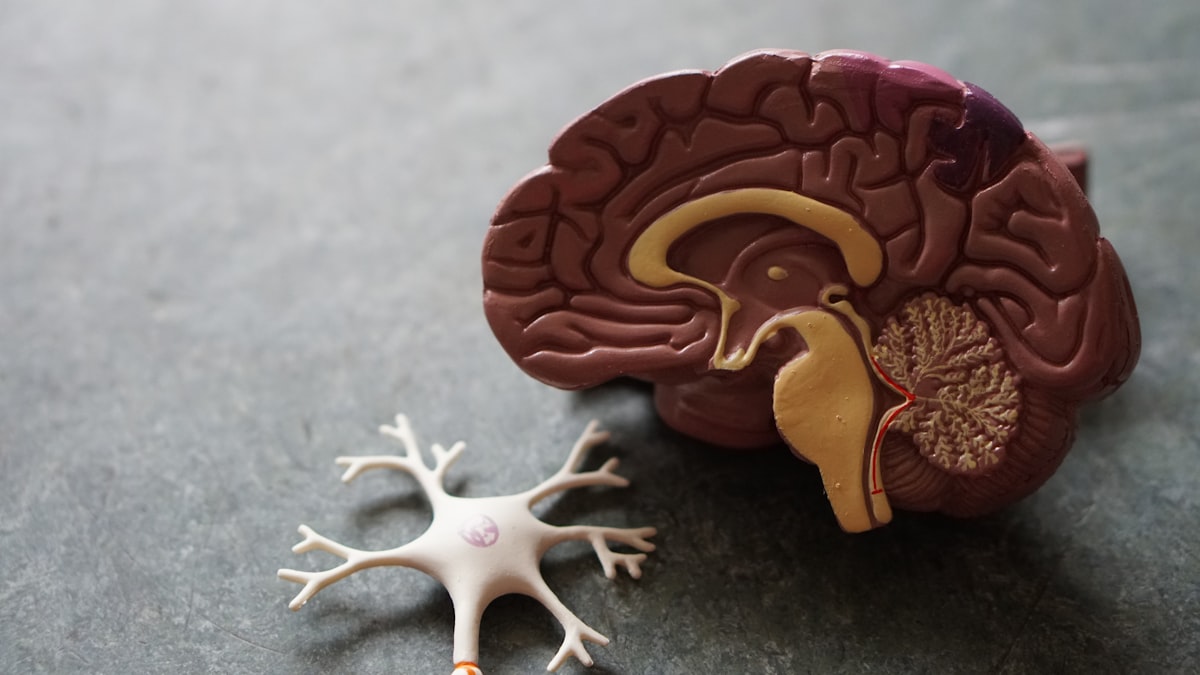
Table Tennis vs. Alzheimer’s: The Brain Sport Science
In 2025, researchers published the first systematic review and meta-analysis specifically examining table tennis as an intervention for neurodegenerative diseases. The results were remarkable.
The Meta-Analysis That Changed Everything
A 2026 meta-analysis by Li, Ahn, and Shin — published in Healthcare — pooled 14 randomized controlled trials totaling 1,565 participants. It remains the largest and most rigorous synthesis of table tennis intervention research to date. The effect sizes were extraordinary:
- Cognitive function: SMD = 2.05 — a massive effect, meaning the average participant improved more than 97% of controls
- Balance: SMD = 0.78 — a large effect, clinically meaningful for fall prevention in aging populations
For context, an effect size of 0.8 is already considered “large” in medical research. Table tennis is producing cognitive effects nearly triple that threshold.
No serious adverse events were reported across any of the 14 trials.
How It Works: The BDNF Mechanism
Table tennis belongs to a category called open-skill exercises — activities where the environment is unpredictable and you must constantly adapt. This is fundamentally different from closed-skill exercises like running, swimming, or cycling, where the movement pattern is repetitive and predictable.
A 2024 study by Birinci and colleagues compared table tennis directly against long-distance running, chess, and sedentary controls in 40 veteran athletes aged 50-65. The findings:
- BDNF (Brain-Derived Neurotrophic Factor) levels significantly increased after table tennis
- The increase was significantly greater than in chess or sedentary groups
- TT players improved on Trail Making Tests, Stroop Test, and Mental Rotation tasks
BDNF is often called “Miracle-Gro for the brain.” It promotes neuronal survival, strengthens synapses, and stimulates hippocampal neurogenesis — the creation of new brain cells in the memory center.
Physical Changes in the Brain
A 2024 brain imaging study by Zheng and colleagues found that long-term table tennis players showed:
- Increased white matter structural integrity in fiber tracts involved in motor coding
- Altered dynamic functional connectivity across large-scale brain networks
- Structural adaptations in both motor and cognitive brain regions
This is not just “feeling sharper.” Table tennis physically reshapes the brain’s wiring.
Why Open-Skill Beats Closed-Skill
The research consistently shows that open-skill exercises produce superior cognitive benefits compared to closed-skill exercises:
- Higher BDNF release
- Better executive function enhancement
- More effective at preventing neurodegenerative decline
The reason is straightforward: table tennis demands simultaneous physical movement, spatial tracking, opponent reading, shot selection, and split-second decision-making. The brain gets a workout that no treadmill can match.
The 40% Number
The WHO/Lancet Commission has identified 12 modifiable risk factors for dementia. Physical activity alone may prevent or delay up to 40% of dementia cases. Table tennis, with its combined physical-cognitive-social stimulus, targets multiple risk factors simultaneously.
The Bottom Line
Table tennis is not just a game. It is a structured neuroprotective intervention with very large documented effect sizes, measurable brain changes, and no adverse effects. The scientific evidence for its cognitive benefits is stronger than for most pharmaceutical interventions targeting the same outcomes.
Sources:
- Li H, Ahn H, Shin M. “Effects of table tennis on balance and cognitive function: a meta-analysis of 14 randomized controlled trials.” Healthcare (Basel). 2026;14(5):675.
- Birinci YZ, et al. “Acute effects of different types of exercises on peripheral neurotrophic factors.” Sport Sciences for Health. 2024;20:347-357.
- Zheng C, et al. “Long-term table tennis training alters dynamic functional connectivity.” Brain Research. 2024.
- “Benefits of Table Tennis for Brain Health Maintenance and Prevention of Dementia.” Encyclopedia (MDPI). 2022;2(3):107.
Peer-Reviewed Sources
- Li H, Ahn H, Shin M. Effects of table tennis on balance and cognitive function: a meta-analysis of 14 randomized controlled trials. Healthcare (Basel). 2026;14(5):675. ↗
- Birinci YZ, et al. Sport Sciences for Health. 2024;20:347-357. DOI: 10.1007/s11332-023-01152-x. ↗
- Zheng C, et al. Brain Research. 2024. PMID: 38552934. ↗
- Benefits of Table Tennis for Brain Health Maintenance and Prevention of Dementia. Encyclopedia (MDPI). 2022;2(3):107. ↗